

Fast Websites vs Pretty Pigs
No one wants to wait for your website to load. And Google doesn’t want to send people to slow websites. Prioritize performance over pretty. Or join the bloated pigs at the slop bucket.
No one wants to wait for your website to load. And Google doesn’t want to send people to slow websites. Prioritize performance over pretty. Or join the bloated pigs at the slop bucket.

Why are you here? Who are you? What are your goals? Where are your customers? When and how can you possibly do it all? Answer all of life’s mysteries with your Marketing Plan! Or at least get thinking about the key questions.

The internet is not a Power Point presentation. Please stop all annoying animations. No, I will not submit my email address because you took over my screen. You want my info? Ask nicely.

There’s a reason Facebook is so popular. It’s the faces. We may be staring at screens as we connect over the internet, but we’re humans staring at screens where we want to see other humans. Whether Facebook, your website, or the front door of your business, it’s important to be human. This does not mean you need to litter your website or social media with selfies (though smiling faces do equal likes.) Being human on the web means writing with voice, highlighting the people behind the company, making visitors feel welcome.
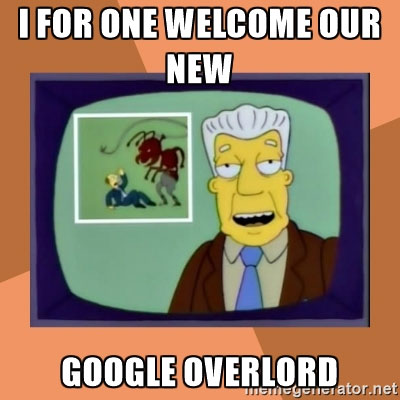
What does SEO stand for? Search Engine Optimization. What does SEO mean? Do what Google says. SEO is not magic. Nor is it something you should have to hire someone to do as a separate function. If your web developer designs a site without SEO in mind, they are a hack. I realize I’m insulting people I’ve worked with here, but the reality is a website exists to provide relevant, current information. That’s what Google wants to find. That’s what Google wants to show people looking for said relevant, current information.
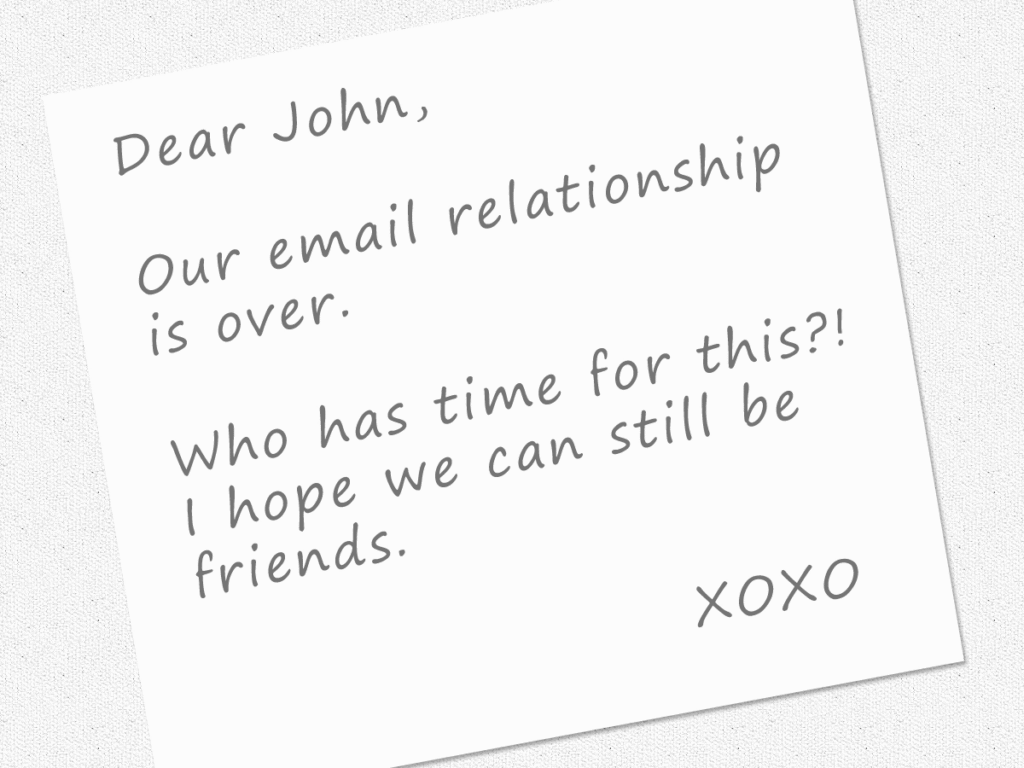
The whole point of the World Wide Web is to have conversations. It’s not about broadcasting media or message. It’s about generating response, and responding to the response, a never-ending conversation. Does email marketing really start or continue a conversation?